Build Shared Understanding
Managing water can be challenging and involve thousands of people. Building a shared understanding of the issues and solutions is an important step for managing water sustainably. Part of that is raising awareness of the different approaches water managers are using to address water shortage challenges. Here are some examples.
Water Allocation Planning
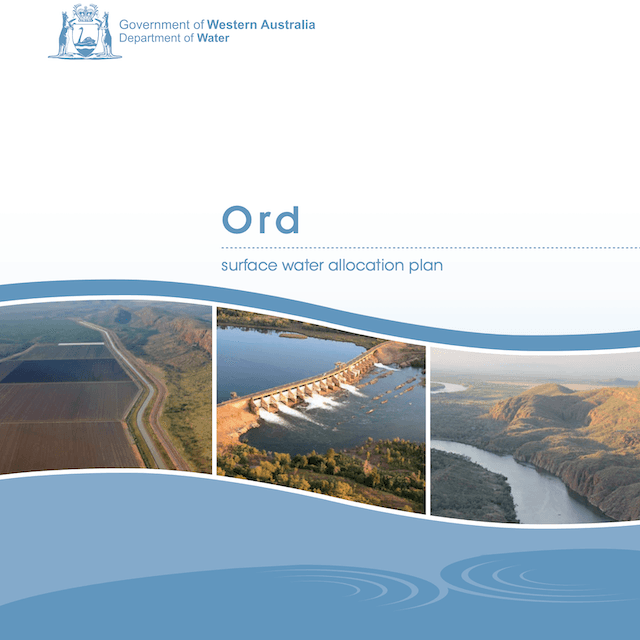
An effective way to minimize water shortage is to set water use (or allocation) limits on a water source to reduce the chance of it being overused. In Australia, there are now over 120 water allocation plans that set out river and aquifer water use limits. Here’s an example.
Environmental Flows
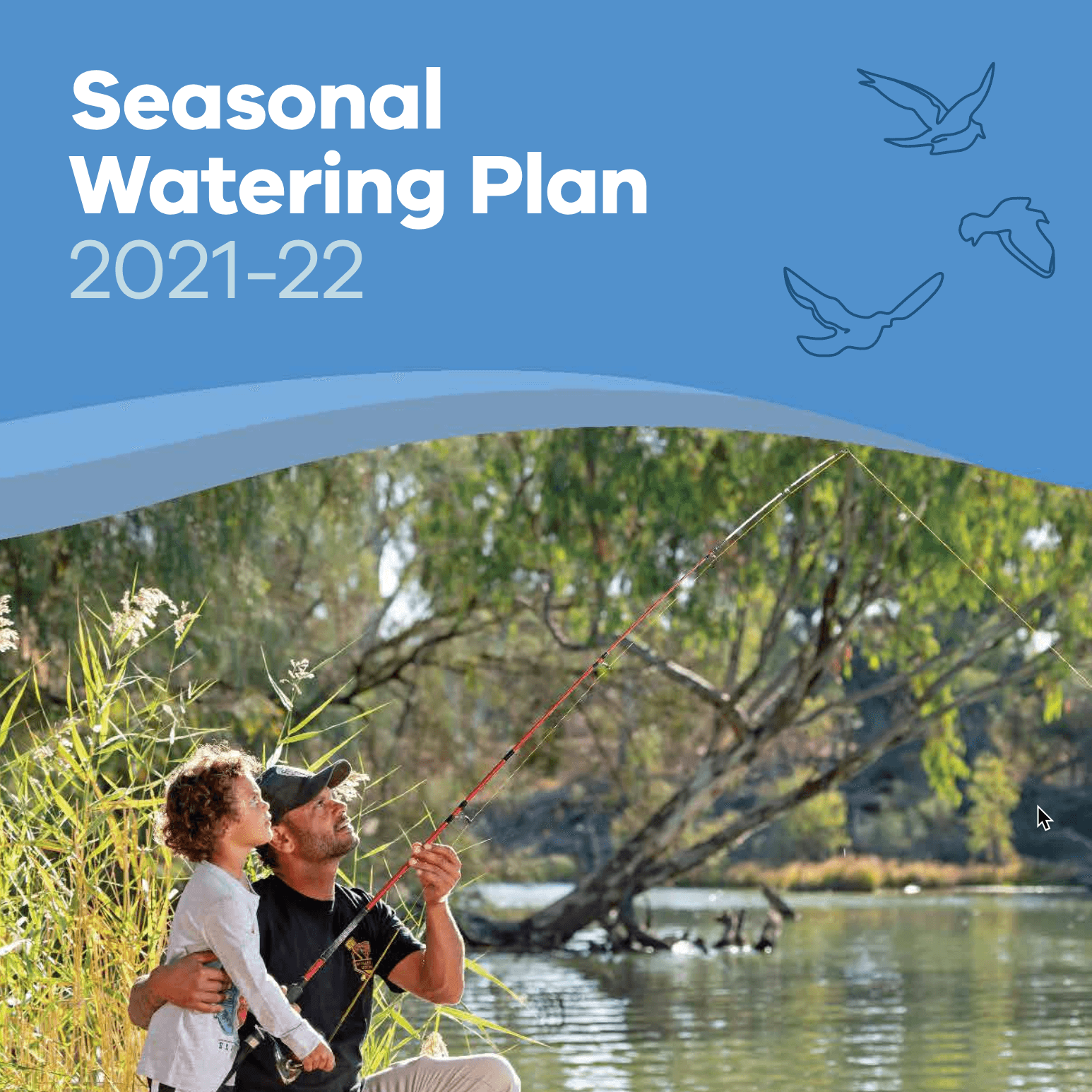
This is the water required for triggering ecological responses (e.g., water bugs, plants, fish) for maintaining the health of a river. Environmental watering plans are a useful tool for protecting river health and informing the broader water allocation planning process. Here’s an example.
Water Monitoring and Reporting
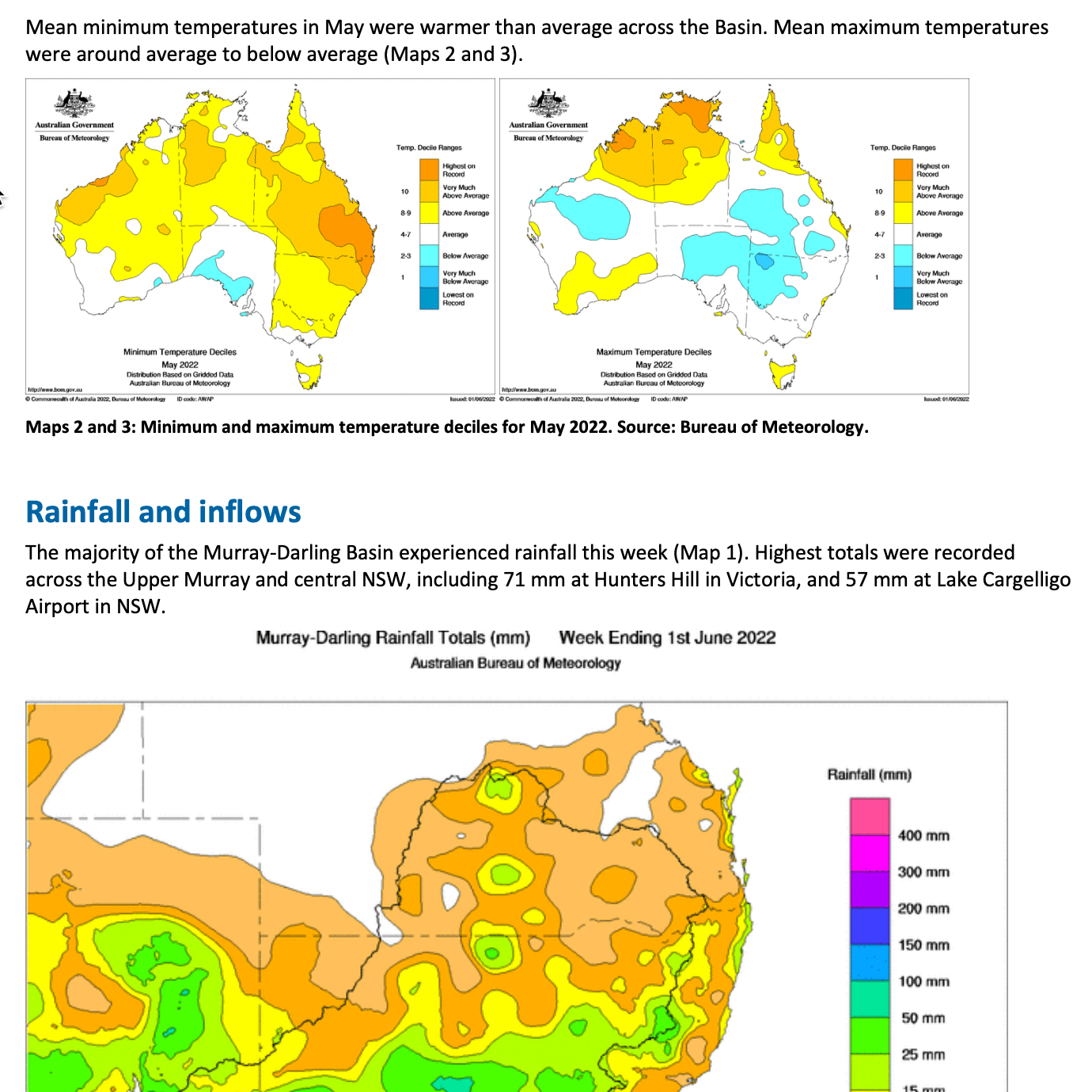
Regular monitoring and reporting on the condition of the water source helps water managers to keep track of available water and to give confidence to users that the water they need is secured. Rainfall, water storages levels, river flow rates, water quality etc., are types of information reported. Here’s an example.